
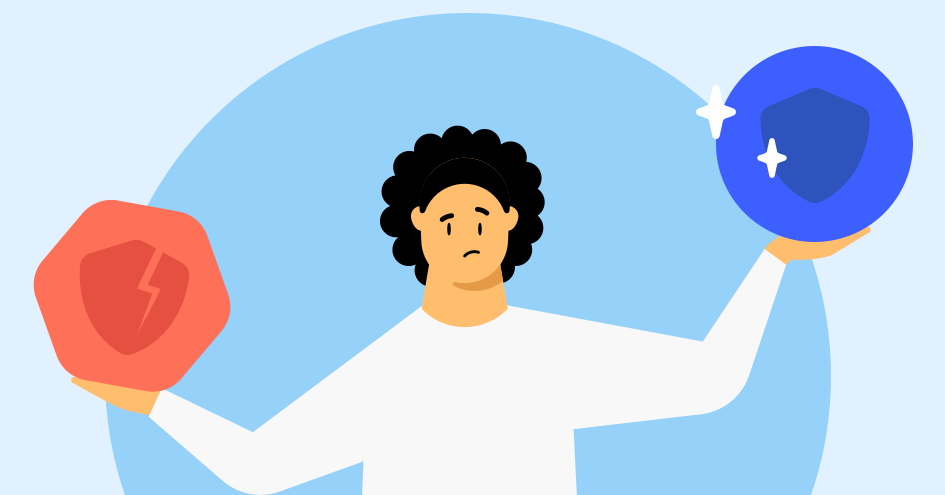
Many people use VPNs to protect their online privacy. But not all VPNs are the same. Some are free, and some you must pay for. So, which one is safer? Should you pick a free VPN or a paid one? This article will help you understand the difference. It will also explain which VPN type is better for your safety.
What Is a VPN?
A VPN, or Virtual Private Network, hides your internet activity. It makes your connection private and secure. When you use a VPN, your data goes through an encrypted tunnel. This means hackers, spies, or even your internet provider cannot see what you do online.
Credit: nordvpn.com
Why Do People Use VPNs?
- To protect personal information from hackers
- To keep internet activity private
- To access websites safely on public Wi-Fi
- To avoid tracking by advertisers or governments
Free VPNs – What Are They?
Free VPNs let you use their service without paying money. They sound great at first. Who does not want something for free? But there are some catches. Free VPNs must earn money somehow. Sometimes, they sell your data to others. Other times, they show ads or limit your internet speed.
Pros Of Free Vpns
- No cost to use
- Easy to download and start
- Good for light or occasional use
Cons Of Free Vpns
- May collect and sell your data
- Limited servers and slow speeds
- Ads can be annoying and distracting
- Less strong security features
- May not work with streaming services
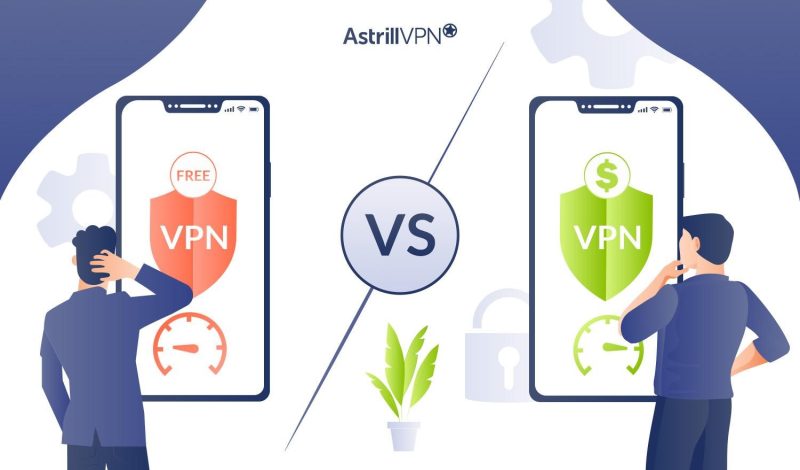
Credit: www.astrill.com
Paid VPNs – What Are They?
Paid VPNs require a subscription fee. You pay monthly or yearly. In return, you get better features and security. Paid VPNs use strong encryption to protect your data. They also promise not to keep logs of your online activity. This means they do not save what you do online.
Pros Of Paid Vpns
- Stronger security and privacy
- Faster internet speeds
- More server locations worldwide
- No ads or distractions
- Better support and updates
Cons Of Paid Vpns
- You have to pay for the service
- Some are expensive
- You must choose carefully to avoid scams
How Do Free VPNs Make Money?
Free VPNs still need to earn money. They do this in different ways. Some sell your data to advertisers. Others show many ads while you use the VPN. Some limit your internet speed to make you buy the paid version. This means your privacy might not be safe.
Are Free VPNs Safe?
Safety is the main question. Many free VPNs are not very safe. They might log your data and sell it. This can put your privacy at risk. Sometimes, free VPNs have weak encryption. This means hackers can still see your data. Some free VPNs have even been caught sharing user information without permission.
Are Paid VPNs Safer?
Paid VPNs usually offer better safety. They use strong encryption to protect your data. They also have clear rules that they do not keep logs. Paid VPNs have more servers. This helps keep your connection fast and safe. They often have better customer support. This means if you have a problem, you can get help fast.
Comparing Free and Paid VPNs: A Table
| Feature | Free VPN | Paid VPN |
|---|---|---|
| Cost | Free | Monthly or yearly fee |
| Privacy | May sell or log data | No logs, strong privacy |
| Security | Basic or weak encryption | Strong encryption |
| Speed | Often slow | Fast and stable |
| Ads | Often many ads | No ads |
| Server Locations | Few | Many worldwide |
| Customer Support | Limited or none | Good and fast support |
When Is a Free VPN Okay to Use?
If you only want to try a VPN, a free one can be okay. It lets you see how VPNs work. Also, if you only need a VPN for a short time, free might be enough. But remember, free VPNs are not the best for safety. Avoid sending private information when using free VPNs.
When Should You Choose a Paid VPN?
If you want real privacy and security, choose a paid VPN. Paid VPNs are better for daily use. They protect your passwords, bank details, and messages well. If you use public Wi-Fi often, a paid VPN is safer. Also, if you want to watch videos or play games online, paid VPNs give better speed.
Tips to Choose a Safe VPN
- Check if the VPN keeps no logs
- Look for strong encryption standards
- Read user reviews and expert opinions
- Choose VPNs with many servers
- Pick VPNs with good customer support
Common Myths About VPN Safety
Many people believe VPNs make you 100% anonymous. This is not true. VPNs help protect your data but do not make you invisible online. Another myth is that all free VPNs are dangerous. While many free VPNs have risks, some are safe but limited. Also, some think paid VPNs are always perfect. Even paid VPNs can have issues if they are bad providers.
Final Thoughts
Free VPNs sound good because they cost nothing. But they often come with safety risks. Paid VPNs cost money but provide better privacy and security. If your safety is important, a paid VPN is the smart choice. Remember, your personal information is valuable. Protect it well by choosing a VPN wisely. Think about what you need and how much you want to spend. Then pick the VPN that fits your needs best.
In the end, safety matters most online. Choose a VPN that keeps you safe and private. Don’t just pick the cheapest or free option without thinking. Your online privacy is worth the investment.
Frequently Asked Questions
Are Free Vpns Really Safe To Use?
Free VPNs often lack strong security and may log your data or show ads.
How Do Paid Vpns Protect My Privacy Better?
Paid VPNs use stronger encryption and have strict no-logs policies.
Can Free Vpns Slow Down My Internet Speed?
Yes, free VPNs usually have limited servers, causing slower connections.
Do Paid Vpns Offer More Server Locations?
Paid VPNs provide many servers worldwide for better access and speed.